What Are the Best Healthcare Equipment Solutions in China?

China’s healthcare sector includes hospitals, clinics, diagnostic centers, and community care facilities, each with different equipment needs. The best Healthcare equipment solutions are not simply the most advanced or expensive. They fit the clinical task, available space, staff skills, and service capacity. Details matter.

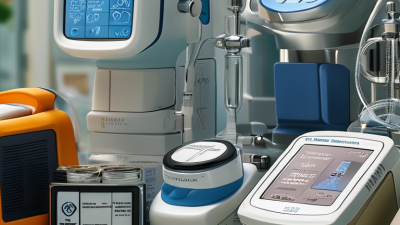
A practical comparison should consider imaging and monitoring systems, laboratory instruments, patient beds, and rehabilitation devices. Buyers can assess usability, accuracy claims, compatibility with existing systems, maintenance requirements, and access to spare parts. They should also review product documentation and confirm that equipment meets applicable requirements for its intended use. These checks help distinguish a promising specification sheet from a dependable solution.

China-based manufacturers and suppliers vary in product range, technical support, and export experience. Ask for clear warranty terms, training plans, maintenance procedures, and realistic delivery timelines. Where possible, request a demonstration using workflows similar to those in the intended facility. A device that performs well in a showroom may feel different during a busy shift. Fit matters.

This guide explores how to compare options and identify solutions suited to different healthcare settings. It does not assume one supplier or product is best for every buyer. Needs change, and procurement decisions can be imperfect. Careful evaluation, input from clinical and technical teams, and ongoing review can make the choice more reliable.
What Are the Best Healthcare Equipment Solutions in China?

Understanding Healthcare Equipment Solutions in China

What Are the Best Healthcare Equipment Solutions in China?

Understanding Healthcare Equipment Solutions in China

Healthcare equipment solutions in China work best when they match clinical needs, facility capacity, and local service conditions. A county hospital may need reliable patient monitors and imaging systems, while a large urban center may prioritize operating-room integration and advanced diagnostics. The right choice depends on patient volume, staff skills, available space, and maintenance support—not just the equipment’s technical specifications. Small details matter. Check power requirements, compatible consumables, software updates, and whether technicians can respond promptly.

Procurement teams should review clinical evidence, supplier qualifications, applicable registration requirements, and the full cost of ownership. A lower purchase price can become expensive if replacement parts take weeks to arrive or staff receive little training. Ask to see maintenance schedules and confirm how equipment connects with existing hospital information systems. Rural and urban facilities may face very different service constraints, so one solution rarely fits all. I would also revisit assumptions after installation: a device that performs well during a demonstration may be awkward during a crowded shift. That gap is easy to underestimate. Regular feedback from clinicians and biomedical engineers can reveal problems that specifications alone will not show.

Key Categories of Medical Equipment Used in Chinese Healthcare

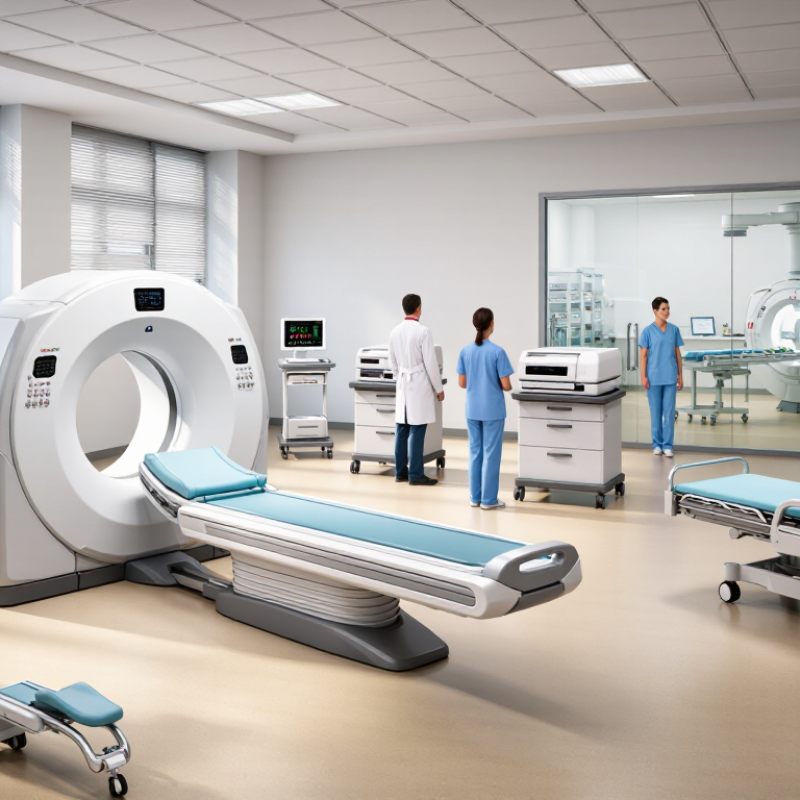
Medical equipment in China spans several practical categories, each supporting a different stage of care. Diagnostic imaging systems, including ultrasound, CT, and X-ray equipment, help clinicians examine internal structures. Their usefulness depends on image quality, staff training, room design, and maintenance access. A scanner is not effective simply because it is advanced.

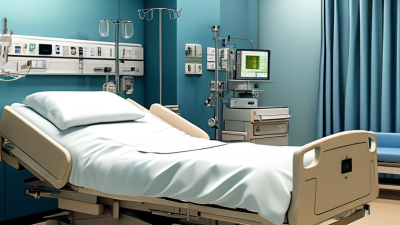
Patient monitoring equipment tracks measures such as heart rate, oxygen saturation, and blood pressure. In emergency rooms and intensive care units, clear alarms and reliable sensors matter during busy shifts. Laboratory analyzers support blood and tissue testing, while bedside testing can help teams make timely decisions. Yet category lists can mislead. The same device may suit one clinic and overwhelm another.

Treatment equipment includes ventilators, infusion pumps, anesthesia systems, and surgical tools. Rehabilitation devices, such as mobility aids and therapy equipment, support recovery beyond acute care. Infection-control equipment also plays a daily role: sterilizers, hand hygiene stations, and properly managed medical refrigerators help protect patients and supplies. Fit matters. Procurement teams should check consumable availability, service response, staff instruction, and compatibility with existing workflows. These details are easy to underestimate, and even a well-chosen device can create friction when its controls do not match how clinicians work.

How to Evaluate Healthcare Equipment for Clinical Needs

Clinical evaluation begins with the task, not the catalogue. Define who will use the equipment, which patients it must serve, and where it will operate. A monitor in a bright, noisy ward faces different demands from one used in a quiet examination room. Check measurement ranges, alarm visibility, cleaning requirements, and how easily staff can read results while wearing gloves.

Fit the device into the real workflow. Can it move through the doorway? Does its cable reach the bedside without crossing a walking path? Confirm power needs, data connections, consumables, and routine maintenance with the people responsible for daily use. Ask about staff training and local technical support. Specifications alone can be misleading. Small details matter.

Where possible, arrange a structured trial using representative cases and staff from different shifts. Record setup time, errors, alarm response, cleaning steps, and downtime. Compare performance with clinical requirements and applicable quality standards, rather than relying on sales claims. A trial may expose habits that a checklist misses; that is useful, even if the findings are inconvenient. Document what remains uncertain before making a purchasing decision.

Quality Standards and Regulations for Medical Devices in China

What Are the Best Healthcare Equipment Solutions in China?

China’s medical device rules focus on safety, performance, and traceable quality. The National Medical Products Administration (NMPA) oversees device registration and filing. Class I devices generally require filing, while Class II and III devices require registration. The correct pathway depends on the device’s intended use and risk classification. Details matter.

Manufacturers need evidence that a device performs as claimed. This may include product testing, clinical evaluation, or clinical trial data, depending on the device and applicable rules. Quality systems must support consistent production, from incoming material checks to final inspection. Applicable Chinese GB national standards and YY industry standards should be reviewed for each product. A polished test report alone is not enough.

Labels and instructions for use usually need to meet Chinese-language requirements and accurately describe intended use, warnings, and operating conditions. Unique device identification requirements apply to specified products under relevant implementation schedules. Keep records organized: reviewers may need to trace a component lot to a finished unit. Requirements can change, and the details are easy to underestimate. Confirm current NMPA rules and product-specific standards before planning market entry. I’d avoid assuming that approval in another country automatically satisfies China’s requirements.

China Medical Device Classification and Regulatory Pathways

China classifies medical devices by risk. Class I devices are low risk and follow a filing pathway; Class II devices are moderate risk and Class III devices are high risk, and both require registration. The chart uses an ordinal index to show the three risk classes—not an official numerical risk score.

Purchasing, Installation, and Maintenance of Healthcare Equipment

Healthcare equipment procurement in China should begin with clinical needs, not a catalog. A ward’s patient volume, room size, power supply, and staff skills all affect the right choice. Write a specification that lists essential functions, compatible accessories, training needs, and service response times. Ask suppliers for technical documents, warranty terms, spare-parts availability, and user references. A low purchase price can hide costly downtime. It happens.

Before delivery, confirm door widths, lift capacity, floor loading, and electrical connections with the site team. For imaging or monitoring systems, map the room layout and required environmental conditions. Installation should include acceptance checks, safety tests, and hands-on training for the people who will use the equipment. Record serial numbers, settings, and maintenance contacts in one accessible log. Keep it simple.

Maintenance works best when planned around actual use. Set inspection intervals using manufacturer guidance and facility procedures, then document each check, repair, and calibration. Train staff to report unusual noise, drifting readings, damaged cables, or recurring alarms early. Keep critical consumables and commonly needed parts available, while tracking expiry dates. No plan is perfect. A missed handover or unclear responsibility can still interrupt care, so review the process after the first few months.