10 Best Medical Equipment Supplies for Global Buyers

Choosing reliable Medical equipment supplies is a practical decision, not a simple shopping exercise. Global buyers must examine safety, performance, documentation, servicing, and long-term value. A pulse oximeter may look identical across two websites, yet sensor accuracy, battery quality, and calibration support can differ sharply. Small details matter.

Dr. Margaret Chan, former Director-General of the World Health Organization, said, “Health is a human right.” That principle gives medical purchasing a wider responsibility. Equipment should support clinicians, protect patients, and remain usable in real working conditions. This guide examines 10 Best Medical Equipment Supplies for Global Buyers, including diagnostic devices, patient-monitoring tools, mobility aids, sterilization products, and essential hospital furniture. Each category deserves careful comparison.

Look beyond the product photograph. Check certifications, warranty terms, replacement parts, user training, and delivery conditions. A device stranded in customs is not a dependable device. A monitor without technical support may become expensive after one minor fault. Buyers should also consider local voltage, language requirements, infection-control procedures, and staff experience. No ranking fits every hospital. Rural clinics may value battery life, while urban hospitals may prioritize data integration. That difference is easy to overlook. My own view is imperfect: price still influences many decisions, even when quality should lead. However, transparent specifications and verified suppliers can reduce avoidable risks. The best choice is not always the newest model. It is the equipment that performs safely, consistently, and sustainably where patients need it.
10 Best Medical Equipment Supplies for Global Buyers

What Makes Medical Equipment Supplies Suitable for Global Buyers

10 Best Medical Equipment Supplies for Global Buyers

What Makes Medical Equipment Supplies Suitable for Global Buyers

Suitable medical equipment must work safely across different hospitals, climates, and regulations. A portable patient monitor, for example, should support local power systems and stable battery use. Clear displays matter when staff speak different languages. Simple icons can reduce training mistakes.

Reliable supplies include diagnostic monitors, infusion pumps, examination lights, sterilization units, wheelchairs, oxygen accessories, surgical instruments, and protective equipment. Each product needs documented testing, traceable materials, and instructions written in understandable language. Buyers should check applicable approvals before shipment, because requirements vary between countries. A product accepted in one market may need additional review elsewhere.

Packaging also shows professional experience. Shock-resistant cartons, moisture barriers, and temperature guidance can protect delicate equipment during long transport. Spare parts should remain available, with realistic service times and remote technical support. That is often overlooked. I have seen purchasing teams compare prices carefully but ignore calibration tools, replacement batteries, or staff training. The cheaper choice then becomes expensive.

Global buyers should request sample manuals, warranty terms, cleaning instructions, and maintenance schedules. They should also confirm voltage, plug type, software compatibility, and delivery conditions. No checklist is perfect. Local clinicians may notice practical problems that laboratory tests miss, such as awkward buttons or difficult cable storage. Feedback from those users makes equipment safer, easier to maintain, and more suitable for daily care.

The 10 Best Medical Equipment Supplies by Clinical Application

The 10 Best Medical Equipment Supplies by Clinical Application

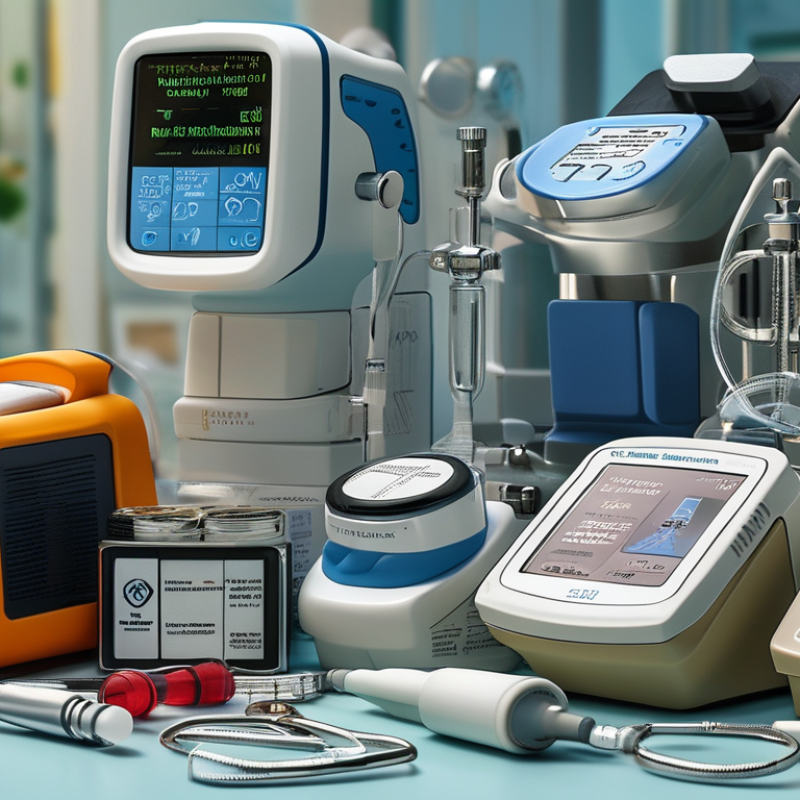
Effective medical equipment selection begins with clinical purpose, not appearance or price. Vital signs monitors support continuous observation in wards and emergency rooms. Electrocardiographs help clinicians assess rhythm changes during cardiac evaluation. Pulse oximeters provide quick oxygen readings, especially during respiratory distress. Portable ultrasound systems assist bedside imaging without exposing patients to radiation.

Diagnostic imaging also requires careful planning. Digital X-ray equipment supports fracture assessment, chest examinations, and surgical preparation. Infusion pumps deliver controlled fluids or medicines when manual adjustment is unsafe. Ventilators support patients who cannot maintain adequate breathing independently. Their alarms must be clear, tested, and understood by staff. Small details matter.

Operating rooms depend on dependable suction units, surgical lights, and sterilization equipment. Autoclaves reduce contamination risks when correct cycles, packaging, and monitoring are followed. Adjustable hospital beds improve positioning, mobility, and pressure-injury prevention. However, no device is perfect for every facility. A low-cost monitor may lack useful connectivity, while advanced equipment may exceed local training capacity. Buyers should review clinical guidelines, electrical safety, maintenance support, spare parts, user training, and regulatory approval. Trial use with nurses and technicians can reveal practical problems that brochures hide. That step is often skipped.

Key Features, Quality Standards, and Safety Requirements

Global buyers should evaluate ten core supplies: patient monitors, infusion pumps, oxygen concentrators, ventilators, ultrasound systems, ECG devices, surgical lights, autoclaves, examination tables, and protective equipment. Each item needs a clear intended-use statement, complete technical files, and traceable batch records. ISO 13485 supports a quality-management framework for medical-device production. ISO 14971 guides risk management from design through post-market monitoring.

Safety begins before shipment.

Electrical equipment should meet IEC 60601 requirements for leakage current, grounding, alarms, and electromagnetic compatibility. Sterilization equipment requires validated temperature, pressure, and exposure records.

For respiratory devices, buyers should verify oxygen concentration, flow stability, battery endurance, and alarm visibility. Small details matter. A silent alarm can become a serious clinical risk.

The World Health Organization reported that healthcare-associated infections affect about 7% of patients in high-income countries and 15% in low- and middle-income countries. This makes cleanable surfaces, validated reprocessing, and reliable protective supplies essential.

WHO’s Global Model Regulatory Framework also stresses competent oversight, vigilance, and post-market controls. Procurement teams should inspect sample units, not certificates alone. A polished document can still hide weak packaging or poor calibration.

Suppliers should provide calibration results, shelf-life data, user training, and corrective-action procedures. Some buyers still focus too heavily on purchase price. That judgment deserves reconsideration.

How to Compare Suppliers, Pricing, and International Certifications

10 Best Medical Equipment Supplies for Global Buyers

Global buyers should compare more than unit price across ten common supplies: gloves, syringes, dressings, infusion sets, patient monitors, diagnostic analyzers, sterilizers, wheelchairs, oxygen concentrators, and surgical instruments. WHO’s Global Health Expenditure Database reported global health spending of about US$9.8 trillion in 2021. That scale makes traceability and supplier stability practical necessities, not paperwork.

Request three comparable quotations with identical specifications, packaging, warranty terms, and shipping conditions. A low price may exclude calibration, spare parts, customs support, or replacement stock. Ask for batch records, product testing, and recent audit evidence. ISO 13485 supports a medical-device quality system, but it does not automatically approve every product. CE marking, FDA clearance, UKCA requirements, or MDSAP participation may apply differently by market. Check the importing country’s regulator before relying on any certificate. Rules change. My own purchasing reviews often find missing evidence hidden behind impressive certificates.

Tips: Build a scoring sheet. Give quality and compliance at least half the score. Verify certificate numbers directly with the issuing body. Compare total landed cost, not invoice price. The World Bank’s 2023 Logistics Performance Index also shows why delivery reliability matters: customs, infrastructure, and tracking can materially affect supply continuity. Keep one qualified backup supplier. It may cost slightly more, but a delayed monitor or sterile dressing can cost far more.

Global Purchasing, Shipping, Installation, and After-Sales Support

For global buyers, the “best” medical equipment is not always the most advanced. It must match clinical needs, local regulations, available utilities, and staff skills. A practical ten-item shortlist includes patient monitors, ultrasound systems, ECG units, infusion pumps, ventilators, operating tables, surgical lights, sterilizers, laboratory analyzers, and hospital beds. Confirm intended use, voltage, software language, accessories, and calibration documents before payment. A detailed purchase order prevents expensive misunderstandings.

Shipping needs more than a freight quote. Ask for moisture protection, shock indicators, serial-numbered packing lists, and suitable handling for sensitive equipment. Check import documents with a qualified local customs agent. Installation should include site inspection, delivery-path measurements, power checks, testing, and staff training. Request acceptance records with measured results, not only a signed delivery note. Remote guidance can help, but complex equipment may need certified onsite engineers. This costs more. It may prevent unsafe shortcuts. After-sales support should define response times, spare-part availability, warranty coverage, preventive maintenance, and escalation contacts. Keep service logs for every device.

Tips: Compare total ownership cost, not only unit price. Ask for sample manuals and training schedules. Verify service capacity in your region. Photograph crates before opening them. Record missing accessories immediately. A rushed purchase can still fail during installation. Leave time for corrections.