What Are the 2026 Top Types of Headwall Accessories?
In 2026, hospital headwalls are becoming more organized, adaptable, and easier to maintain. Headwall accessories now support patient care, equipment placement, infection control, and staff movement. This guide examines the leading accessory types used around modern medical headwall systems.
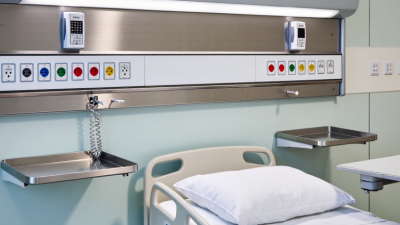
Common options include oxygen and vacuum outlets, electrical receptacles, data ports, nurse-call controls, reading lights, examination lights, and equipment rails. Each item has a practical role. For example, a well-positioned rail can hold infusion pumps above the bedside without blocking access. A dimmable reading light can improve patient comfort while preserving clinical visibility.
Small details matter.
Healthcare planners, biomedical engineers, and facility managers should assess compatibility before choosing accessories. Outlet standards, mounting depth, cleaning routines, load ratings, and maintenance access can affect long-term performance. Manufacturer documentation and recognized healthcare design guidance remain essential references. Product appearance alone is not enough.
No single accessory fits every room. An intensive care bay may require denser utility access, while a patient room may prioritize comfort and simple controls. Some systems look efficient but create cable congestion near the bed. That weakness deserves attention. Real-world installation experience often reveals problems that product brochures overlook.
The sections ahead compare the 2026 top types of Headwall accessories by function, usability, safety, and adaptability. They also consider how each choice affects daily workflows, patient dignity, and future upgrades. Careful selection can create a cleaner bedside environment, although even the best design may need periodic review.
Headwall Accessory Basics and Their Role in Healthcare Spaces
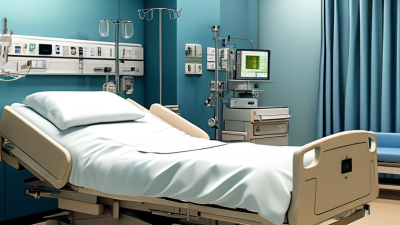
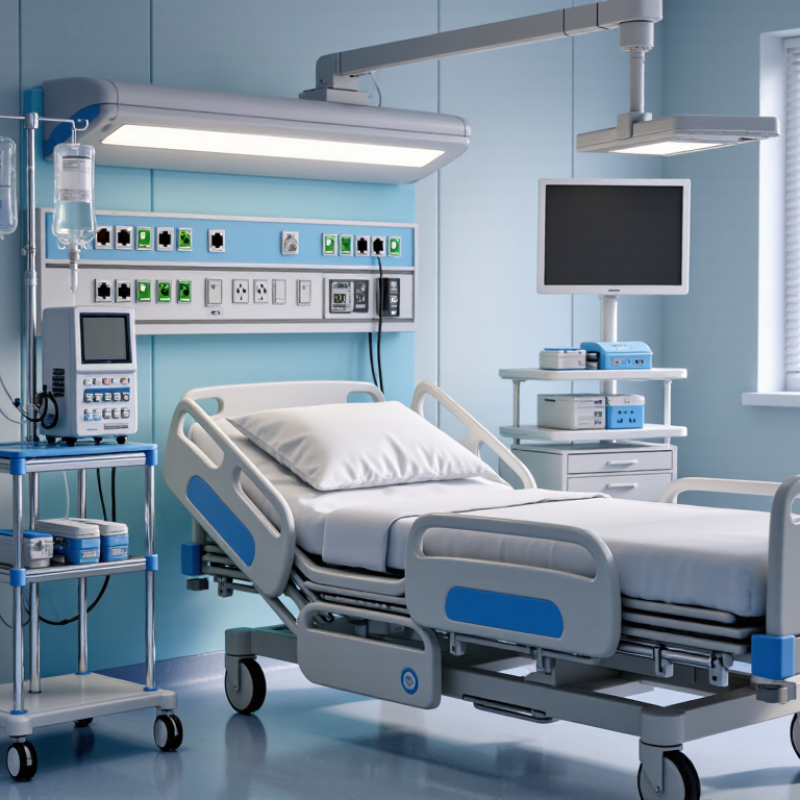
Headwall accessories are practical systems, not decorative extras. In 2026, the leading types include medical gas outlets, electrical sockets, data ports, examination lights, equipment rails, and bedside storage. Each accessory supports a specific clinical task. A nurse may connect oxygen, check a monitor, and reach supplies without crossing the patient’s bed.
Medical gas and electrical modules require clear identification and reliable access. Equipment rails help organize pumps, monitors, and infusion devices while reducing floor clutter. Integrated lighting also matters. A focused examination light can improve visibility without disturbing a sleeping patient. The 2022 WHO Global Report on Infection Prevention and Control states that about one in ten patients acquires a healthcare-associated infection in acute-care hospitals. Smooth, sealed surfaces and fewer hidden gaps can support safer cleaning routines.
Headwalls also influence workflow and maintenance. The 2023 AHA Hospital Statistics report lists more than 6,000 hospitals in the United States, showing the scale of varied clinical environments. A flexible accessory layout may serve intensive care, emergency treatment, and recovery rooms differently. That sounds obvious. It is often missed.
In practice, staff feedback should guide final placement. A low data port may be convenient for technicians but awkward during bed movement. A storage shelf may appear useful, yet become a dust trap when poorly designed. No arrangement is perfect. Designers should review reach distances, cable paths, cleaning access, and future equipment changes before installation.
What Are the 2026 Top Types of Headwall Accessories?
Headwall accessories support essential healthcare functions such as medical gas delivery, electrical power, communication, equipment positioning, and bedside storage. The chart compares common accessory categories by the number of typical clinical functions they support.
Medical gas outlets commonly support oxygen, medical air, and vacuum services. Electrical and communication accessories support bedside devices, nurse call, data connectivity, and clinical workflow. Rails, arms, shelves, and work surfaces improve equipment organization and accessibility.
Top 2026 Headwall Accessories for Power, Gas, and Data Management
In 2026, headwall accessories are becoming control points for power, medical gas, and clinical data. A well-designed system places electrical outlets, oxygen outlets, vacuum connections, and network ports within clear reach. Staff should not stretch cables across a patient’s bed. That simple detail matters.
The WHO Global Patient Safety Report 2024 estimates that one in ten patients experiences harm in healthcare, with more than half considered preventable. Headwall design cannot solve every risk, but organized accessories can reduce avoidable disconnections and clutter. Lockable gas outlets, color-coded labels, and tamper-resistant electrical sockets support safer daily routines. Emergency power separation is also important. NFPA 99 requirements emphasize reliable essential electrical systems in healthcare spaces. Local codes still require professional verification.
Data management now deserves equal attention. A 2024 healthcare cybersecurity survey from HIMSS reported that phishing and ransomware remain significant operational threats. Secure data ports, protected cable pathways, and serviceable access panels help limit exposed connections. Power-over-Ethernet devices may reduce wiring, but they can also create dependency on network availability. That trade-off needs review.
Accessories should support bedside monitors, barcode scanners, nurse-call devices, and mobile workstations without blocking clinical movement. Adjustable rails and equipment shelves provide flexibility, though poorly balanced loads can stress mounting points. Small details matter. Yet, some specifications remain unclear across facilities, especially when renovation teams prioritize appearance over maintenance. Experienced planners should test reach distances, cleaning access, gas-line identification, and failure scenarios before installation.
Specialized Accessories for Safety, Comfort, and Equipment Support
What Are the 2026 Top Types of Headwall Accessories?
Modern headwalls need more than attractive panels. The best accessories improve safety, comfort, and daily equipment handling. Equipment rails remain highly useful because they support monitors, infusion devices, shelves, and document holders. Adjustable arms help staff position screens without blocking the patient’s view.
Integrated lighting is also gaining attention in 2026. Separate reading and examination lights can reduce glare during nighttime care. Patient control panels should offer clear buttons, tactile feedback, and reachable placement. Cable management channels matter too. Loose cables can catch on beds, collect dust, or complicate cleaning. Small details often create the biggest problems.
Tips: Check every accessory’s load rating before installation. Leave enough clearance for bed movement and emergency access. Choose smooth, sealed surfaces that tolerate frequent disinfection. Confirm that mounting points match the wall structure, not just the decorative panel. In clinical projects, I have seen attractive shelves become unstable when equipment loads were underestimated. That mistake is avoidable, but specifications are sometimes incomplete. Review cleaning methods with maintenance staff before approval. A well-designed headwall should support equipment without making the patient feel surrounded by machinery. Some layouts still need adjustment after real-world testing, especially when caregivers work from different sides of the bed.
Key Factors for Comparing and Selecting Headwall Accessories
In 2026, headwall accessory selection is less about adding equipment and more about matching clinical work. Common options include medical gas outlets, electrical receptacles, data ports, nurse call controls, examination lights, shelves, rails, and monitor arms. Integrated storage is also gaining attention in compact patient rooms. Each accessory should support staff movement, patient safety, and quick access during care.
Compare accessories by function, compatibility, and maintenance needs. Check gas outlet types, flow requirements, electrical loads, and data connections before approving a layout. Measure reach distances carefully. A monitor arm that looks flexible may block a cabinet or obstruct emergency access.
Smooth surfaces and sealed joints support faster cleaning. Removable panels can simplify repairs, but they may loosen with frequent handling. That detail deserves closer review.
Clinical engineers and facility managers should examine service records, installation drawings, and user feedback together. Ask nurses where cables collect dust and where controls become difficult to reach. Confirm load ratings for shelves and equipment rails. Verify that accessories fit local safety requirements and the headwall’s mounting structure. Modular designs often reduce future disruption, although excessive modularity can increase adjustment points. This is an area where cheaper choices may become expensive later. A polished appearance is helpful, but reliable daily performance matters more. Teams should reassess their assumptions after observing a real patient-room workflow.