What is Ozone Cleaning Systems and How Do They Work?
Ozone cleaning systems have emerged as a revolutionary method for maintaining cleanliness and hygiene across various industries. These systems utilize ozone gas, a powerful oxidizing agent, to eliminate pathogens and contaminants. According to a recent report by the Global Ozone Cleaning Market Analysis, the market is projected to grow by 15% annually, indicating a rising interest in environmentally friendly cleaning solutions.
Expert Dr. Lisa Hartman, a leading figure in ozone technology, notes, "Ozone cleaning systems offer a unique approach to sanitization without the use of harmful chemicals." This technology is especially relevant in sectors like healthcare and food processing, where stringent hygiene standards are essential. The systems work by generating ozone, which penetrates surfaces to break down contaminants effectively, making them an attractive option for businesses seeking sustainable practices.
Despite their effectiveness, companies must consider how to implement this technology responsibly. Ozone can be harmful at high concentrations, so proper training and safety measures are vital. Understanding the balance between effectiveness and safety will be crucial as more organizations look to ozone cleaning systems as a viable alternative.
What is Ozone Cleaning Systems? A Comprehensive Overview
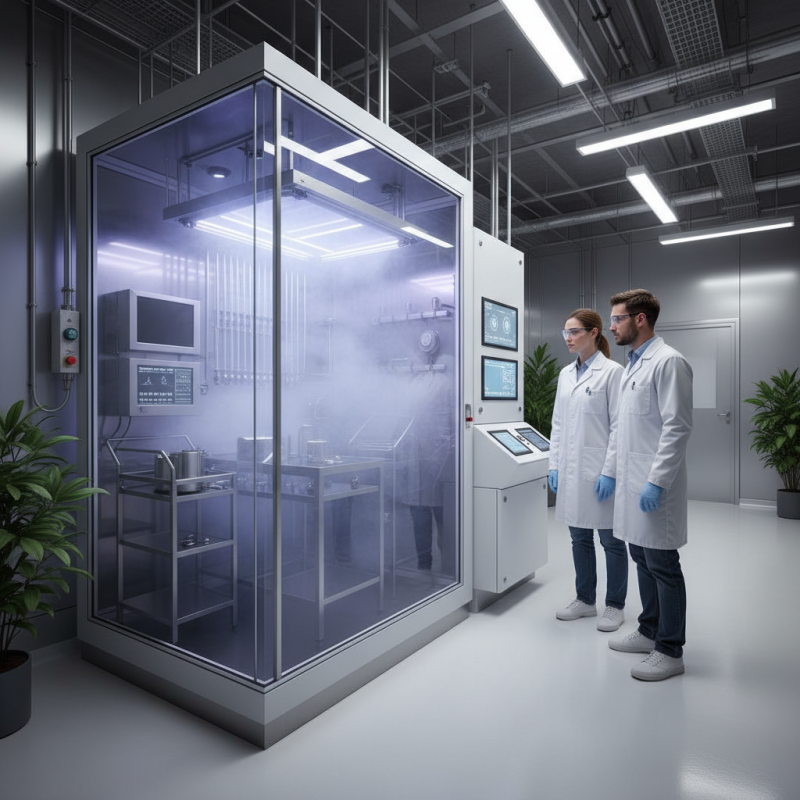
Ozone cleaning systems have gained popularity for their efficiency and eco-friendliness. These systems produce ozone, a powerful oxidizing agent, to eliminate bacteria, viruses, and odors. The process begins with an ozone generator that converts oxygen into ozone gas. This gas then infiltrates various surfaces, breaking down contaminants at a molecular level.
The effectiveness of ozone cleaning comes from its ability to reach places that conventional cleaners cannot. It penetrates fabrics and porous materials, making it ideal for use in homes, offices, and even vehicles. However, utilizing ozone cleaning systems is not without concerns. High concentrations of ozone can be harmful to human health. It's crucial to follow safety guidelines during and after the cleaning process. Proper ventilation reduces risks and enhances safety.
Despite their benefits, it's important to reflect on the limitations and challenges of ozone cleaning systems. For example, ozone is unstable and can dissipate quickly. Thus, timing and proper usage are vital for optimal results. Users should also be aware that certain surfaces may not react well to ozone exposure. Understanding both the advantages and potential downsides ensures a balanced view of this innovative cleaning method.
The Chemical Properties of Ozone and Its Role in Cleaning
Ozone is a powerful oxidizing agent. Its unique chemical properties make it effective for cleaning. Ozone molecules consist of three oxygen atoms. This structure allows ozone to break down contaminants at a molecular level. When ozone encounters bacteria or viruses, it oxidizes their cell membranes, effectively neutralizing them.
The cleaning process begins when ozone is generated. The gas then fills the area needing sanitation. During this time, ozonated air interacts with various surfaces. This interaction initiates a chain reaction that leads to the destruction of pathogens. Additionally, ozone eliminates odors by breaking down odor-causing compounds. It doesn’t just mask smells; it removes them.
However, there are important considerations. Ozone at high levels can be harmful to human health. Proper safety measures are essential during cleaning processes. Not everyone understands the implications of using ozone in cleaning. Education and awareness are key in using this technology safely. Careful monitoring of ozone concentrations is crucial to avoid unwanted effects.
Ozone Cleaning Systems: Effectiveness of Cleaning Agents
This bar chart compares the effectiveness of ozone cleaning systems against traditional cleaning agents, such as bleach, vinegar, hydrogen peroxide, and soap. The effectiveness is rated on a scale from 1 to 10, demonstrating the potency of ozone as a cleaning agent.
How Ozone Cleaning Systems Function: Mechanisms and Processes
Ozone cleaning systems harness the power of ozone, a gas composed of three oxygen atoms. This method effectively eliminates bacteria, odors, and mold. Ozone molecules attach to contaminants, breaking them down at a molecular level. Through oxidation, these harmful substances are neutralized, leaving a cleaner environment in their wake.
The functionality of ozone systems depends on the concentration and exposure time. A higher concentration may yield faster results but also requires careful handling. The reaction is often influenced by temperature and humidity as well. Despite their effectiveness, these systems pose risks if not monitored properly.
Ozone can be harmful to humans in high concentrations.
Implementing ozone cleaning processes requires expertise. Professionals must understand the right conditions for effective cleaning. Safety measures must be a priority throughout the cleaning process. Monitoring ozone levels ensures that the environment remains safe for occupants. As we explore this technology, ongoing discussions about its limitations and safety continue to shape best practices in the field.
Applications of Ozone Cleaning in Various Industries
Ozone cleaning systems have gained traction in various industries due to their effectiveness and environmental benefits. In the food industry, ozone is utilized to sanitize surfaces and equipment. This method helps eliminate bacteria and viruses without leaving harmful residues. It’s a go-to solution for processing plants seeking to enhance food safety standards.
In healthcare, ozone cleaning plays a crucial role in infection control. Hospitals use it to decontaminate rooms and medical equipment. This process reduces the risk of hospital-acquired infections. However, it’s essential to balance ozone concentration. Too high levels may pose risks to patients and staff.
The textile industry also benefits from ozone cleaning. It effectively removes odors and stains from fabrics, offering a chemical-free alternative to traditional washing methods. But companies must ensure proper monitoring of ozone levels to protect workers. Ozone is powerful, but mistakes in its application can lead to health concerns. Awareness and proper training are vital.
What is Ozone Cleaning Systems and How Do They Work? - Applications of Ozone Cleaning in Various Industries
| Industry |
Application |
Benefits |
Ozone Concentration (ppm) |
| Food Industry |
Sanitization of surfaces |
Eliminates pathogens, extends shelf life |
0.1 - 0.5 |
| Healthcare |
Disinfection of medical instruments |
Reduces cross-contamination risks |
0.5 - 2.0 |
| Hospitality |
Air and water purification |
Improves guest experience, odor removal |
0.2 - 1.0 |
| Agriculture |
Water treatment and soil sanitization |
Increases crop yields, pest control |
0.3 - 1.5 |
| Waste Management |
Deodorization and breakdown of organic waste |
Reduces landfill odors, accelerates decomposition |
1.0 - 3.0 |
Safety and Environmental Considerations of Ozone Usage in Cleaning
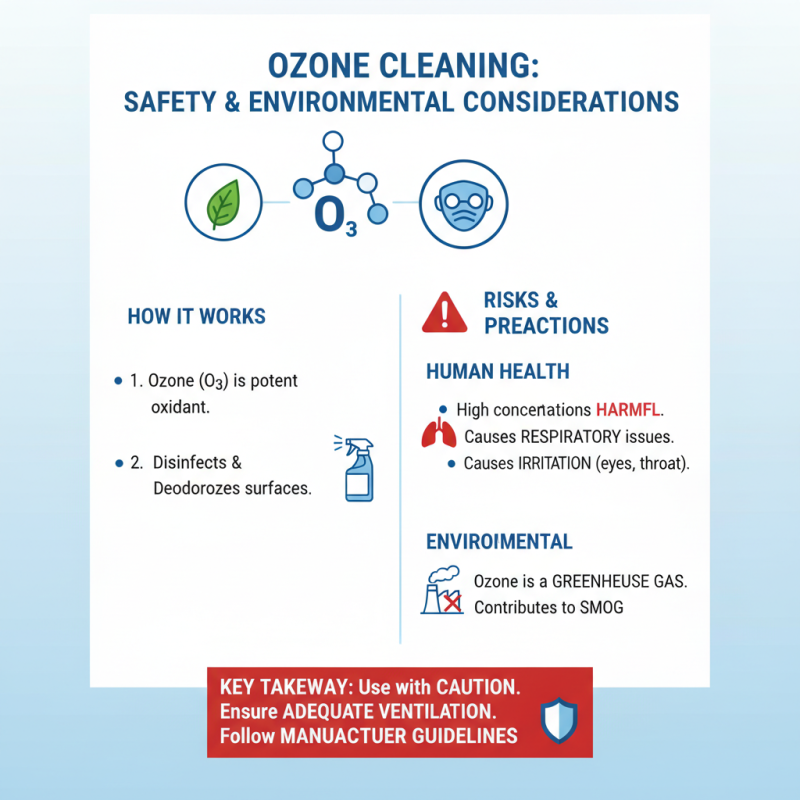
Ozone cleaning systems use ozone, a powerful oxidant, to disinfect and deodorize various surfaces. However, safety and environmental issues arise with ozone use. High concentrations can harm human health. It may cause respiratory problems and irritation. Awareness of these risks is crucial before using ozone for cleaning.
Ozone can break down harmful substances in the air and on surfaces. Yet, it’s unstable and can lead to ozone byproducts. These byproducts may pose environmental risks. Proper ventilation reduces these concerns. Limit exposure to high ozone levels.
Tips: Always wear protective gear when using ozone cleaning systems. Regularly monitor ozone levels in the area. Consider alternative cleaning methods for sensitive spaces, like homes or schools. Balancing effectiveness and safety is key.