What is Hospital Infrastructure Systems and How Do They Function?
In the evolving world of healthcare, the significance of Hospital infrastructure systems cannot be overstated. Dr. Emily Chen, an expert in health facilities planning, once noted, “The backbone of any successful hospital lies in its infrastructure.” This statement emphasizes how critical these systems are. They encompass everything from physical buildings to the complex technology that supports patient care.
Hospital infrastructure systems serve as the foundation for delivering high-quality health services. They include medical equipment, HVAC systems, and information technology. Each component contributes to operational efficiency and patient safety. However, challenges often arise. Aging facilities can lead to delays and safety risks. Integrating new technologies within outdated systems can also create friction.
Waiting rooms and supply chains exemplify the real-world impact of these systems. Inadequate designs can lead to overcrowding and inefficiencies. Hospitals must continually assess their infrastructure to adapt to changing needs. A thoughtful approach to upgrading these systems is essential. Reflecting on these challenges helps ensure that hospitals are equipped for tomorrow's demands.

Overview of Hospital Infrastructure Systems
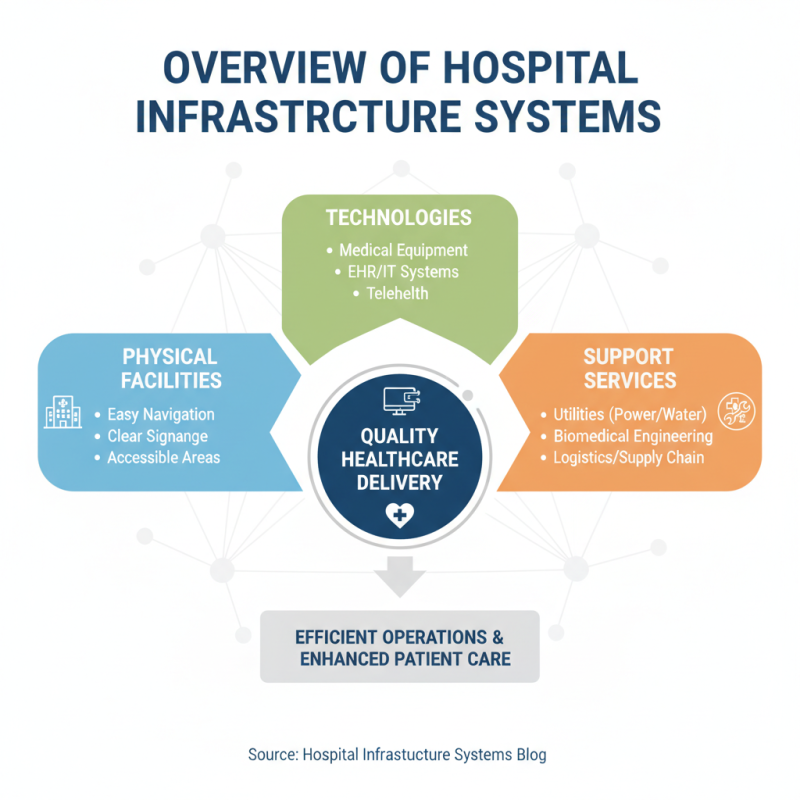
Hospital infrastructure systems are vital for delivering quality healthcare. These systems encompass a variety of elements, including physical facilities, technologies, and support services. A well-designed hospital infrastructure ensures efficient operations and enhances patient care. Facilities must be structured for easy navigation, with clear signage and accessible areas.
Technology plays a critical role in hospital infrastructure. Electronic health records streamline patient data management. Medical equipment should be up-to-date to ensure the best outcomes. However, reliance on technology requires continuous training for staff. Staff must remain adaptable to new systems, which can be challenging.
Tips: Invest in staff training on new technologies regularly. Create feedback loops for staff to share their experiences. Regular assessments of systems can reveal areas needing improvement. It's essential to balance technology with personal patient care. Each system should work collaboratively to support health professionals and patients alike.
Key Components of Hospital Infrastructure
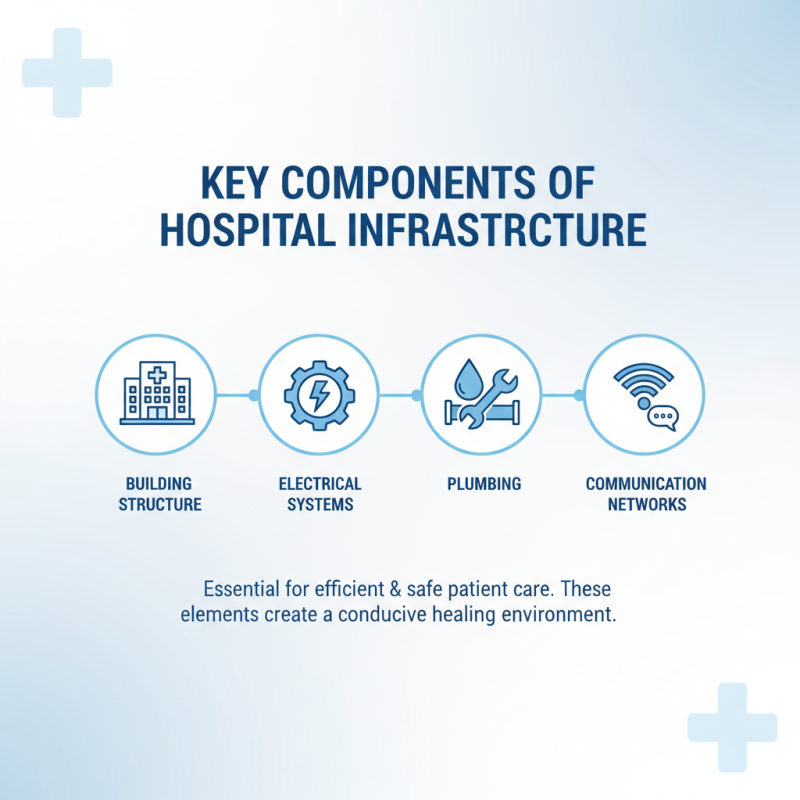
Hospital infrastructure systems are essential for providing effective healthcare. They encompass various components that ensure patient care is efficient and safe. Key components include the building structure, electrical systems, plumbing, and communication networks. Each element plays a pivotal role in creating a conducive environment for healing.
The physical layout of a hospital affects workflow. A well-designed space minimizes delays and maximizes efficiency. This layout includes patient rooms, nursing stations, and treatment areas. Poor design can lead to unnecessary complications, such as equipment being too far from use. Inadequate electrical systems can cause interruptions, impacting patient care.
Plumbing systems are crucial for sanitation and safety. Clean water supply and waste disposal systems must be reliable. If these systems fail, it compromises infection control. Communication networks are equally vital. They connect staff and systems, influencing response times. Unreliable systems can create chaos in emergencies, highlighting the need for constant evaluation and improvement in hospital infrastructure.
Functionality of Hospital Infrastructure Systems
Hospital infrastructure systems are critical for efficient healthcare delivery. They encompass various elements like physical structures, utilities, and medical technology. Each of these components plays a crucial role. For instance, reliable electrical systems ensure that life-saving equipment operates without interruption. Water supply systems are essential for sanitation and patient care.
Moreover, the functionality of hospital infrastructure systems extends to communication networks. These systems enable rapid information exchange between healthcare providers. Effective data management can enhance patient outcomes. However, challenges remain. Aging infrastructure may lead to service disruptions. Maintenance issues often arise due to budget constraints. Hospitals must assess their systems continually to identify weaknesses.
Emergency preparedness is another vital aspect of hospital infrastructure. Hospitals need to function effectively during crises. This includes having backup power supplies and well-designed evacuation routes. The integration of all systems is essential. Yet, coordination can be complex. Each system must work seamlessly with others. Balancing efficiency with safety is an ongoing challenge for healthcare administrators.
Distribution of Hospital Infrastructure Systems by Type
Integration of Technology in Hospital Infrastructure
The integration of technology in hospital infrastructure has revolutionized healthcare delivery. Advanced systems streamline operations and improve patient care. Electronic health records (EHR) are a prime example. They enable swift access to patient data. Healthcare professionals can make informed decisions quickly. This immediacy is crucial in emergency settings.
Smart technologies also enhance hospital management. Automated systems monitor equipment and supplies. This reduces the risk of shortages. However, reliance on technology can lead to challenges. Cybersecurity threats pose significant risks to patient data. Hospitals must invest not only in technology but also in security protocols.
Furthermore, while technological advancements are beneficial, they may create a digital divide. Some staff members may struggle to adapt to new systems. Training programs are essential to bridge this gap. Hospitals should foster a culture of continuous learning. This approach ensures that everyone is on the same page, ultimately leading to better patient outcomes.
What is Hospital Infrastructure Systems and How Do They Function? - Integration of Technology in Hospital Infrastructure
| Dimension |
Description |
Technology Used |
Functionality |
| Patient Management |
Systems to manage patient records, appointments, and billing. |
Electronic Health Records (EHR) |
Streamlines patient flow and enhances data accessibility. |
| Clinical Systems |
Tools for managing clinical data and operations. |
Clinical Decision Support Systems (CDSS) |
Aids healthcare providers in making informed decisions. |
| Infrastructure Management |
Systems for managing hospital facilities and resources. |
Building Management Systems (BMS) |
Optimizes energy use and enhances safety. |
| Telemedicine |
Remote consultation and treatment systems. |
Video Conferencing Tools |
Increases access to healthcare services. |
| Supply Chain Management |
Systems for managing medical supplies and inventory. |
Inventory Management Software |
Reduces waste and ensures availability of necessary supplies. |
Challenges and Innovations in Hospital Infrastructure Management
The management of hospital infrastructure faces various challenges today. A report from the World Health Organization highlights that 40% of healthcare facilities in low and middle-income countries lack adequate infrastructure. This deficiency can lead to increased patient wait times and compromised care delivery. Effective hospital infrastructure management requires innovative solutions to address these gaps.
Technological advancements have emerged as promising tools in this field. Smart building technologies, for instance, can optimize energy consumption and enhance patient comfort. The National Institutes of Health notes that hospitals implementing these technologies can reduce operational costs by up to 30%. However, integration remains a challenge. Many facilities struggle with outdated systems and resistance to change, hindering progress.
Staff training is another critical concern. A survey by the American Hospital Association found that nearly 60% of healthcare workers feel inadequately prepared for technological advancements in infrastructure. This gap in skills can affect patient care quality. Effective training and development programs must be prioritized to equip staff with the necessary skills. Balancing new technologies with staff capabilities is essential for a functional hospital infrastructure.