What Is Glycine Powder and How Is It Used?
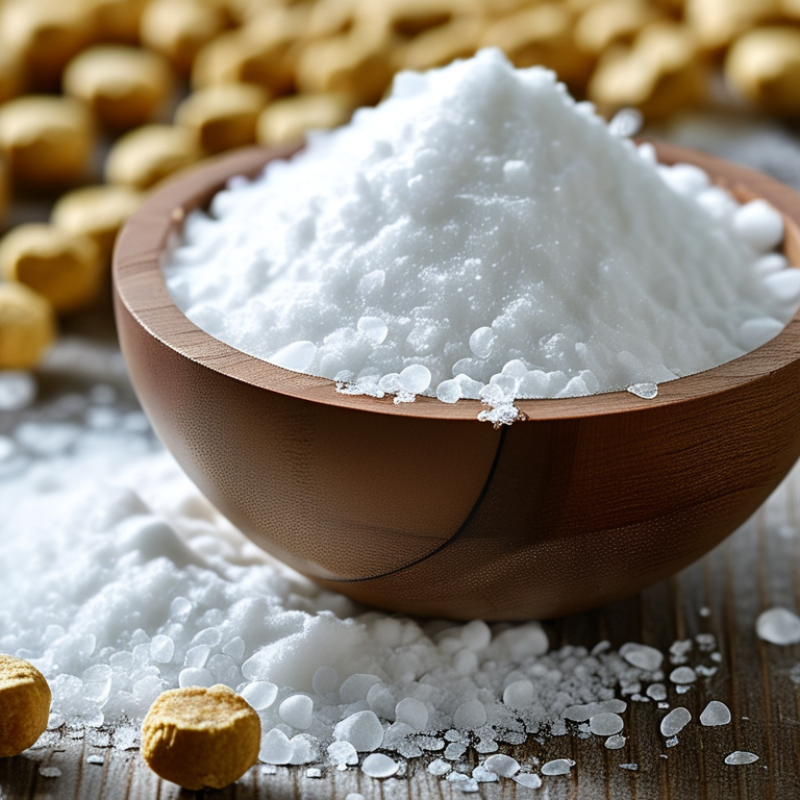
Glycine Powder is a fine, white crystalline form of glycine, the smallest amino acid used in food, pharmaceutical, cosmetic, and feed applications. It usually dissolves quickly in warm water, leaving a mildly sweet taste. Dr. David A. Bender, author of A Dictionary of Food and Nutrition, describes glycine as “the simplest amino acid.” That simplicity explains its versatility, but not every product performs identically.
Industry reports show steady commercial demand. Grand View Research identifies food, pharmaceutical, and animal-feed applications as major growth areas. IMARC Group also reports expanding interest in amino-acid ingredients, supported by nutrition, healthcare, and processed-food production. However, market estimates differ because companies classify glycine by purity, application, and regional use. The numbers deserve caution.
In practical settings, Glycine Powder may support flavor adjustment, buffering, tablet formulation, or nutritional blends. A manufacturer might measure it beside stainless-steel mixing equipment, where particle size affects dispersion and handling. Pharmaceutical-grade material requires stricter testing than general industrial grades. Feed-grade material follows a different quality pathway.
This distinction matters.
Buyers should review certificates of analysis, assay percentage, moisture content, heavy-metal limits, microbial results, and manufacturing standards. Product labels can look similar while quality controls differ. Personal use also requires care, especially with medical conditions, pregnancy, or medication interactions. Glycine is widely studied, but “natural” does not automatically mean suitable for everyone. A responsible introduction must leave room for uncertainty, because supply chains, testing methods, and regulatory expectations continue to change.
What Glycine Powder Is and How It Is Made
Glycine powder is a fine, white crystalline form of glycine, the simplest amino acid. It has a mildly sweet taste and dissolves relatively easily in water. Glycine occurs naturally in protein-rich foods, including meat, fish, dairy products, and legumes. Unlike some amino acids, the human body can produce it, so it is commonly classified as nonessential.
Manufacturers usually make glycine through controlled chemical synthesis or, in some cases, fermentation-based processes. The selected raw materials react in sealed equipment under monitored temperature and pressure. The resulting solution then passes through filtration and purification stages. Crystallization separates glycine from unwanted compounds. Workers wash the crystals before removing moisture with carefully controlled heat. Milling produces the familiar powder.
Quality does not depend on appearance alone. Reliable production includes identity testing, purity analysis, moisture checks, and screening for heavy metals and microbial contamination. I once assumed that a bright white powder must be highly pure. That assumption is too simple. Processing conditions and storage also matter. Humidity can cause clumping and may reduce handling quality. Glycine powder can be mixed into beverages, foods, laboratory preparations, and dietary formulations. Its use should match the product’s intended grade. Food-grade material is not automatically suitable for every technical application. Individuals with medical conditions or regular medication use should seek professional advice before taking concentrated glycine.
The Chemical Properties and Natural Sources of Glycine
Glycine powder is a refined form of glycine, the smallest protein-building amino acid. Its chemical formula is C2H5NO2. In solid form, it appears as a white, crystalline powder. Glycine has a mildly sweet taste and dissolves readily in water. At normal body conditions, it can carry both positive and negative charges, forming a zwitterion. This property influences its stability, solubility, and behavior in biological systems.
Glycine occurs naturally in protein-rich foods, including meat, fish, dairy products, legumes, and gelatin-containing connective tissue. The body can also produce it, so glycine is classified as a nonessential amino acid. However, “nonessential” does not mean unimportant. Glycine helps build proteins, supports collagen formation, and participates in bile acid and creatine production. Its natural concentration varies with the food and the part consumed.
Small amounts of glycine powder may be mixed into water, smoothies, or formulated foods. Some people use it as a dietary supplement, but its effects can differ between individuals. Research interest remains active, and not every proposed benefit has strong human evidence. That matters. Powdered glycine also requires careful storage, accurate measuring, and attention to product purity. People with medical conditions, medication use, pregnancy, or unusual dietary needs should ask a qualified healthcare professional before supplementation. It is easy to view a simple amino acid as automatically harmless, but that assumption deserves reconsideration.
Common Uses of Glycine Powder in Food and Supplements
Glycine powder is a simple amino acid with a mild, sweet taste. It dissolves easily in water, tea, smoothies, and some soft foods. In cooking, small amounts can soften sharp flavors in sauces, soups, and protein drinks. It may also add sweetness without using much sugar, although it should not replace a balanced recipe.
In supplements, glycine powder is commonly measured into water or another drink. People use it as part of their daily nutrition routines, often in the evening or after exercise. However, personal needs differ. A serving that feels comfortable for one person may cause stomach discomfort for another. Glycine is not a magic ingredient, and online claims can sound more certain than the available evidence. Check the product label, use the included scoop carefully, and avoid guessing large portions. Anyone with a medical condition, pregnancy, or regular medication use should ask a qualified healthcare professional before supplementation.
Tips: Start with a small measured amount and mix it thoroughly. A glass of cool water usually works well. Keep the powder dry and sealed, because humidity can create hard lumps. Record how your body responds for several days. Taste can be surprisingly sweet. If the flavor becomes unpleasant, mixing it into yogurt or a fruit smoothie may help. Be cautious with complex supplement blends, since extra ingredients can make reactions harder to identify.
How Glycine Powder Is Typically Taken and Stored
Glycine powder is a powdered form of glycine, an amino acid used in food and dietary supplements. People typically measure it with the supplied scoop or a precise kitchen scale. The amount should follow the product label or guidance from a qualified healthcare professional. More is not automatically better. It can be mixed with water, tea, or another suitable drink. Stir until the powder disappears. Some users prefer taking it in the evening, but individual responses can differ.
Consistency matters more than complicated routines. Take it at a similar time each day if your healthcare professional approves. Avoid estimating with a random spoon. Small measuring differences can change the serving size. People with medical conditions, allergies, or regular medications should seek professional advice before use. Pregnant or breastfeeding individuals should also ask a clinician. I would not treat glycine as a replacement for sleep care or medical treatment. That assumption is easy to make, but it is not reliable.
Tips: Keep the container tightly closed in a cool, dry cupboard. Protect the powder from steam, sunlight, and wet utensils. A bathroom shelf may seem convenient, yet humidity can cause clumping. Use a clean, completely dry scoop. Check the appearance, smell, and expiration date before use. Discard the powder if moisture, discoloration, or an unusual odor appears. Store it away from children and pets. Some instructions may differ by product, so the package directions deserve a careful look.
Safety Considerations, Dosage Factors, and Possible Side Effects
Glycine powder is a supplemental form of glycine, an amino acid found in protein-rich foods. It may dissolve in water, smoothies, or warm drinks, and some people use it near bedtime or after exercise. Research has examined glycine for sleep quality, body temperature regulation, and other functions, but results are not equally strong for every use. A simple powder is not automatically risk-free.
Safety depends on personal health, total intake, and product quality. Research doses vary, so there is no universal amount suitable for everyone. Follow the package directions and avoid treating a study dose as personal medical advice.
People with kidney or liver conditions, pregnant or breastfeeding individuals, and anyone taking regular medicines should ask a qualified healthcare professional first. Possible side effects include nausea, stomach discomfort, loose stools, dizziness, or unusual sleepiness. Stop using it and seek medical advice if symptoms are severe or persistent.
Tips: Begin with the smallest suggested serving, preferably at home, and observe how your body responds. Measure carefully; kitchen spoons can be inaccurate. Keep a short record of timing, dose, sleep, and side effects. Do not combine glycine with sedating substances without professional guidance. Also check the full ingredient list, because added sweeteners or stimulants may cause problems. The evidence is promising in places, but incomplete, and that uncertainty deserves attention.
