
2026 Best Maternity Pads for Global Buyers?
Choosing the best Maternity Pads for global buyers requires more than comparing absorbency claims. Postpartum bleeding changes throughout recovery, often lasting several weeks. NHS guidance describes lochia as normal bleeding after birth, with flow and color changing over time. It may feel like a heavy period at first.
Clinical safety must guide purchasing decisions. The American College of Obstetricians and Gynecologists warns that soaking through one or more pads within an hour requires urgent medical attention. The World Health Organization defines postpartum haemorrhage as blood loss of at least 1,000 millilitres within 24 hours after birth. These references show why reliable absorbency, secure fit, and clear usage instructions matter.
Comfort matters too.
Grand View Research’s 2024 feminine hygiene market analysis projects continued global growth, driven by healthcare awareness, product innovation, and wider retail access. However, market reports often combine menstrual and postpartum products. Their figures should not be treated as maternity-specific evidence. That limitation deserves attention.
This 2026 guide evaluates Maternity Pads through practical buyer criteria. These include absorbent-core performance, leakage protection, skin-friendly materials, adhesive stability, packaging hygiene, and regional availability. Product testing should consider lying down, walking, and prolonged sitting. A pad that works in a showroom may shift during a tired night at home.
Global buyers also need transparent certifications and traceable manufacturing information. Claims such as “medical grade” or “hypoallergenic” require verification. No single design suits every body, delivery type, or recovery stage. The strongest choice balances clinical guidance, user experience, supplier reliability, and realistic purchasing conditions.
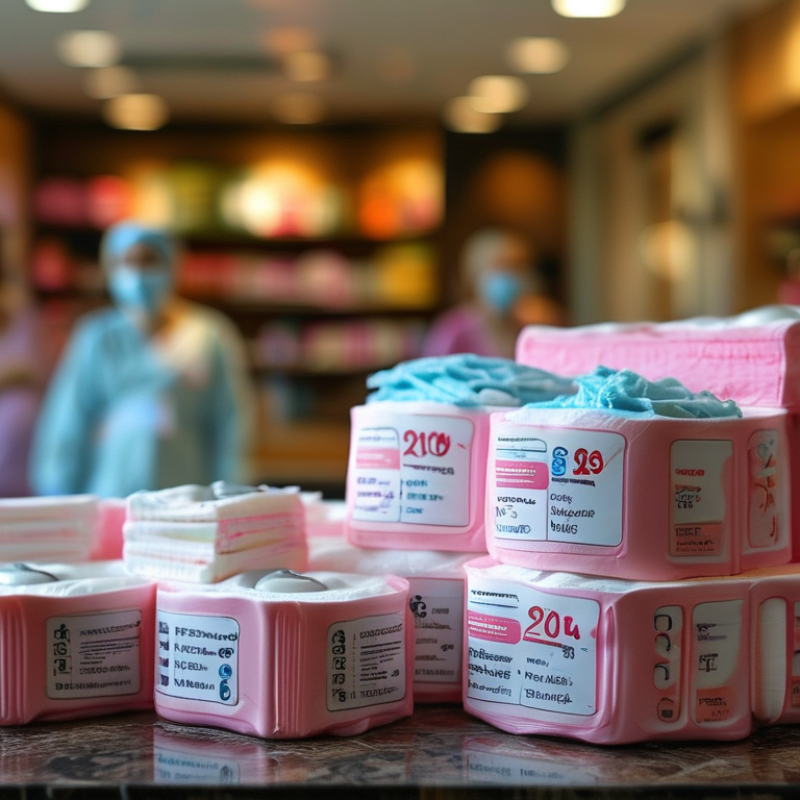
What Maternity Pads Are and How They Differ from Regular Period Pads
Maternity pads are designed for postpartum lochia, not ordinary menstruation. Lochia may contain blood, mucus, and tissue during the first weeks after birth. These pads are usually longer, wider, and more absorbent than regular period pads. They also often have a softer surface, which can feel gentler against sensitive skin and stitches.
Regular period pads manage a predictable monthly flow. Postpartum bleeding can change quickly, especially after standing or breastfeeding. NHS guidance recommends using maternity pads instead of tampons during early recovery. The advice helps reduce infection risk while the cervix heals. Fragrance-free materials may also be preferable for irritated skin. Comfort matters more than attractive packaging.
Product selection should consider absorbency, length, breathable backing, and secure movement. A useful industry reference is Grand View Research’s 2024 feminine hygiene analysis, which reported continued global market growth and stronger demand for specialized products. However, general market figures do not prove clinical performance. That distinction is easy to miss. The World Health Organization’s 2023 postpartum haemorrhage guidance estimates about 14 million cases annually worldwide, with roughly 70,000 related deaths. A pad cannot measure blood loss accurately. Seek urgent medical care for sudden heavy bleeding, dizziness, large clots, fever, or rapidly worsening pain. Product descriptions remain imperfect, and personal recovery can vary considerably.
2026 Best Maternity Pads for Global Buyers
What Maternity Pads Are and How They Differ from Regular Period Pads
Maternity pads are designed for postpartum lochia, which can be heavier and longer-lasting than a regular menstrual period. They generally provide broader coverage, a softer surface, and higher fluid-handling capacity. The chart shows commonly recognized postpartum lochia phases compared with the typical duration of menstrual bleeding.
How to read this chart: Postpartum bleeding typically changes from lochia rubra to lochia serosa and then lochia alba. Buyers should prioritize coverage, softness, leakage protection, and comfort rather than selecting a pad based only on length or absorbency claims.
Typical clinical ranges may vary between individuals. References: Cleveland Clinic and NHS.
Key Features to Consider When Choosing Maternity Pads in 2026
2026 Best Maternity Pads for Global Buyers?
Choosing maternity pads in 2026 requires more than checking absorbency claims. Postpartum bleeding changes from heavy lochia to lighter discharge over several weeks. The World Health Organization recommends postnatal contact within 24 hours, followed by additional checks during the first six weeks. Healthcare guidance should shape product design, not only marketing language.
Key features include a wide, fast-absorbing core and a longer rear section for overnight movement. A soft, breathable topsheet can reduce friction around sensitive skin. Fragrance-free materials are preferable, especially after birth when irritation may increase. Strong adhesive matters, but excessive glue can feel stiff. A curved shape should stay close to the body without compressing a healing perineum or C-section area.
Look for transparent material information, batch traceability, and testing for skin contact. The European Commission’s Safety Gate reports thousands of unsafe consumer products each year, showing why supplier verification matters. Claims such as “medical-grade” need supporting documents, not attractive packaging. I would also question a single absorbency rating; real performance depends on fluid speed, body position, and fit. Bigger is not always better. Portable wrappers, leak-resistant packaging, and individually sealed pads help buyers in humid climates, but unnecessary plastic deserves review.
The Main Types of Maternity Pads for Different Postpartum Needs
After childbirth, postpartum bleeding changes in volume and texture. The right maternity pad depends on the delivery stage, personal comfort, and daily activity. Standard maternity pads suit lighter lochia after the first heavy days. They are useful during daytime movement and routine checks. Choose a wide, absorbent core with soft edges to reduce rubbing against sensitive skin.
Heavy-flow or overnight pads offer greater length, back coverage, and liquid capacity. They can feel bulky, but that extra protection matters during sleep or sudden leakage. Some mothers prefer pads with cooling layers, while others find fragrances irritating. Unscented options are usually a safer choice for sensitive skin. For vaginal soreness, thicker cushioning may feel helpful. However, excessive bulk can create pressure.
Post-cesarean users may prefer high-waisted disposable underwear or pads with a lower front profile. The incision area should remain clean and free from avoidable friction. Reusable cloth maternity pads can reduce waste, but they require reliable washing, drying, and storage. That is not always practical while recovering. Buyers should also check absorbency testing, material details, size measurements, and packaging instructions. “Overnight” does not mean unlimited protection. Change pads regularly, even when they appear lightly used. A strong unpleasant odor, fever, worsening pain, or unusually heavy bleeding needs prompt medical advice. Personal experience varies, and product descriptions cannot replace clinical guidance.
How to Compare Absorbency, Comfort, Materials, and Fit
2026 Best Maternity Pads for Global Buyers?
How to Compare Absorbency, Comfort, Materials, and Fit
Absorbency should match your flow, not the package’s biggest promise. During the first days after birth, heavier bleeding may require a high-capacity, overnight pad. Later, a thinner option can feel less bulky. Check the absorbent core, leak barriers, and suggested changing frequency.
Seek medical advice if you soak a pad within an hour, pass unusually large clots, or experience dizziness and worsening pain.
Comfort depends on more than softness. Look for a breathable backsheet, a gentle surface, and fragrance-free materials. Some users prefer cotton-rich layers, while others value fast-drying synthetic fibers.
Skin sensitivity differs, so test a small quantity first. Fit matters too. Compare length, width, wing placement, and adhesive strength with your usual postpartum underwear. A pad can absorb well yet shift during walking.
Tips: Hold the pad against your underwear before use. Check whether the front and back match your body shape. Change regularly, even when the pad feels only partly used. Keep a few sizes available.
Packaging language can be confusing across countries. Compare dimensions and stated capacity instead of relying only on labels such as “maximum.”
My checklist is useful, but not perfect. Bodies vary, and comfort may change daily. A midwife or healthcare professional can offer more suitable guidance when bleeding, pain, or skin irritation seems unusual.
Safety, Sustainability, and Buying Considerations for Global Buyers
2026 Best Maternity Pads for Global Buyers?
Postpartum comfort depends on more than absorbency. A reliable maternity pad should feel soft, stay secure, and manage heavy flow without irritating sensitive skin. Look for breathable materials, a wide rear section, and strong adhesive wings. Fragrance-free options may reduce exposure to unnecessary additives. However, “natural” does not automatically mean safer. Buyers should review material disclosures, skin-contact testing, and quality-control records.
Sustainability also needs careful checking. Choose products with responsibly sourced fibers, reduced packaging, and clear disposal instructions. Compostable claims can be confusing, especially across different countries. Ask suppliers for recognized certification, factory audits, and test reports. Packaging should resist moisture during long-distance shipping. A lower-waste product is not truly sustainable if damaged stock must be discarded. I have found that attractive environmental language can hide weak evidence. That deserves scrutiny.
Tips: Request samples before placing a large order. Test comfort, absorbency, odor, and wing adhesion during realistic use. Confirm dimensions in millimeters, not only product descriptions. Check minimum order quantities, shelf life, export packaging, and documentation for your target market. Keep a small reserve of conventional products during evaluation. Comfort is personal. Feedback may differ between users, so collect several opinions before deciding.
2026 Best Maternity Pads for Global Buyers? - Safety, Sustainability, and Buying Considerations for Global Buyers
| Product Type | Best Use Period | Safety and Comfort Priorities | Typical Construction | Sustainability Considerations | Global Buying Checks |
|---|---|---|---|---|---|
| Standard postpartum pad | Moderate lochia, usually after the heaviest first days | Soft, breathable top sheet; secure adhesive; sufficient length and width | Absorbent cellulose or blended core with a moisture-resistant backsheet | Check recycled content, responsibly sourced cellulose, and minimal packaging | Confirm dimensions, pack quantity, country-specific labeling, and import classification |
| Maxi or extra-long postpartum pad | Heavy bleeding and overnight protection during the early postpartum period | Long rear panel, wide coverage, low friction, and reliable leak resistance | Thicker absorbent core, optional channels, wings, and a waterproof back layer | Greater material use can increase waste; compare performance per gram of material | Request test methods for absorbency and leakage; absorbency claims are not globally standardized |
| Perineal cold-therapy pad | Short-term relief after vaginal birth when cooling is recommended | Skin-safe activation, clear use instructions, leak-proof packaging, and single-use hygiene | Absorbent pad combined with a separate or integrated cooling component | Assess chemical-packaging disposal, transport conditions, and whether components can be separated | Check ingredient disclosure, shelf life, storage temperature, and applicable medical-device rules |
| Reusable washable postpartum pad | Light to moderate flow when washing facilities are available | Skin-friendly fabric, secure fasteners, adequate drying, and frequent changing | Layered textile core with an absorbent inner layer and leak-resistant outer fabric | Can reduce single-use waste over repeated use, but laundering consumes water and energy | Evaluate washing instructions, drying time, colorfastness, and local water availability |
| Disposable underwear-style pad | Very heavy flow, nighttime use, or limited mobility | Full-hip fit, breathable side panels, tear-away seams, and stable positioning | Integrated absorbent core within stretch nonwoven material | Usually uses more material per use; prioritize lightweight construction and compact packaging | Check size range, waist and hip measurements, carton volume, and disposal instructions |
| Organic-fiber or unbleached-top-sheet pad | Users seeking a specified fiber source or reduced processing claims | Verify fragrance-free formulation and transparent disclosure of all additives | Cellulose, cotton, or other plant-derived fibers with an absorbent core and backsheet | Organic or natural fiber claims do not automatically prove lower total environmental impact | Request recognized certification scope, chain-of-custody evidence, and biodegradability test conditions |
- Lochia commonly changes from heavier red bleeding to lighter brown, pink, or yellowish discharge over the postpartum weeks; product selection should therefore cover more than one absorbency level.
- Choose fragrance-free products where possible, especially for sensitive skin. Stop using a product if irritation, rash, or unusual discomfort develops.
- Absorbency ratings and “overnight” claims are not directly comparable across countries. Ask suppliers for the test standard, liquid volume, test pressure, and leakage criteria.
- Disposable pads should not be flushed. Biodegradable or compostable claims require specific disposal conditions and may not apply to the complete product, adhesive, or packaging.
- Seek urgent medical advice for soaking a pad in an hour, very large clots, worsening pain, fever, foul-smelling discharge, dizziness, or bleeding that suddenly becomes heavier.
Buyer documentation checklist: material declaration, skin-contact safety information, absorbency and leakage test report, lot traceability, shelf-life data, packaging specifications, applicable market registration, and disposal guidance.
